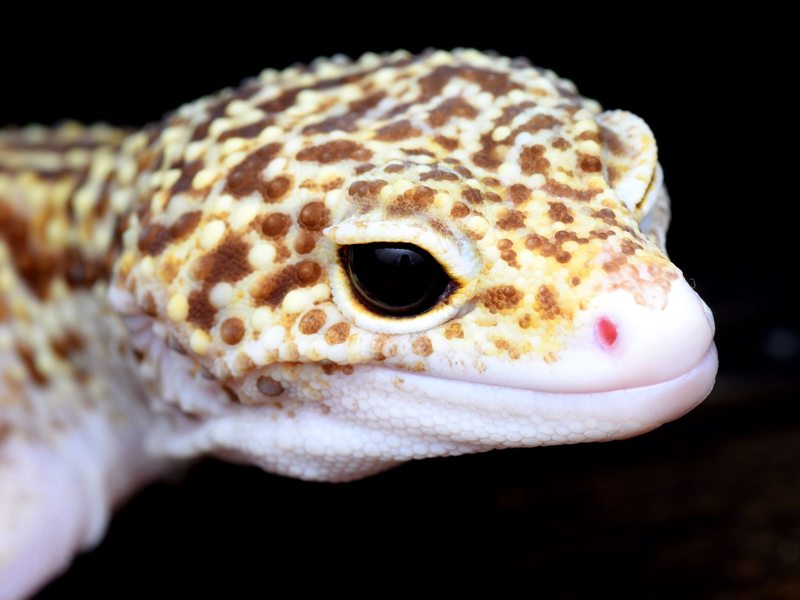
Leopard gecko
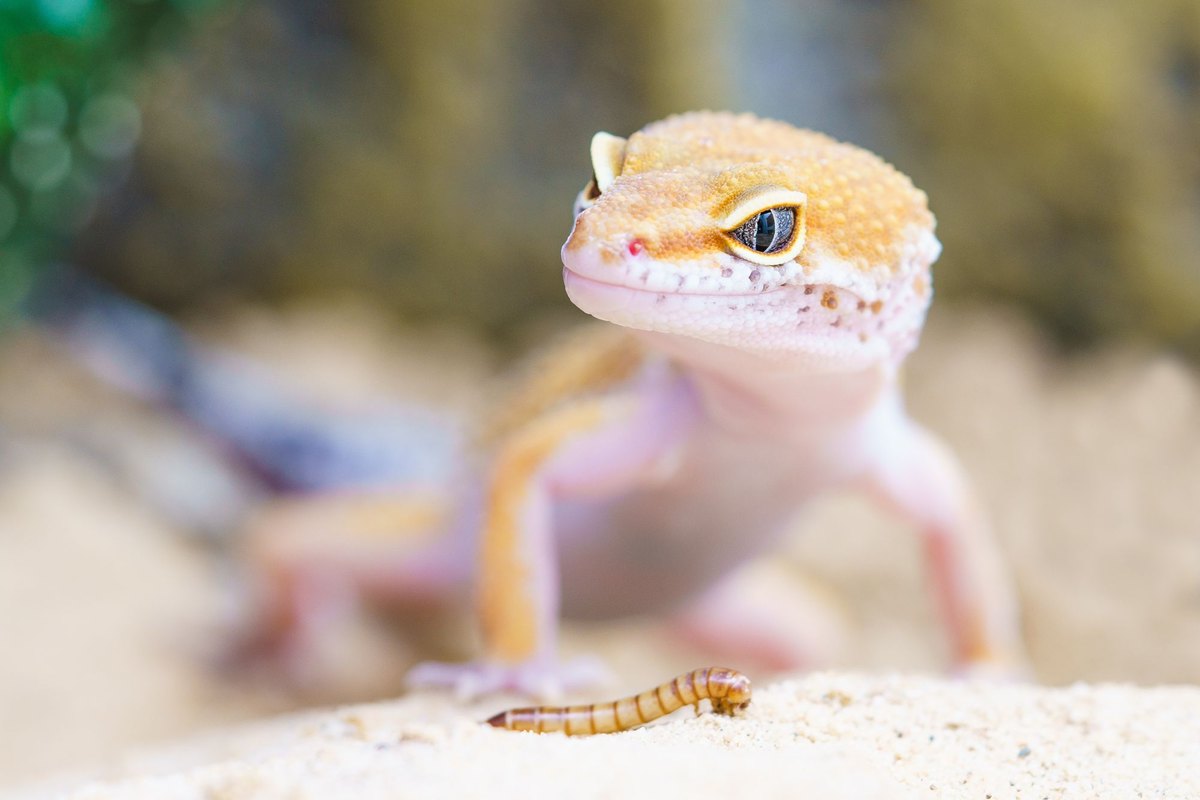
The ground-dwelling gecko most new keepers start with. A horizontal enclosure, a warm hide, and a steady feeding routine matter more than decoration.
- Hot spot 88–94°F
- Humidity 30–40%
- Adult length 8–10 in
- Lifespan 15–20 years
Care guides · Field notes · Parameters
Practical care guides for leopard geckos, crested geckos and tortoises. Start with your species, then check its care parameters.
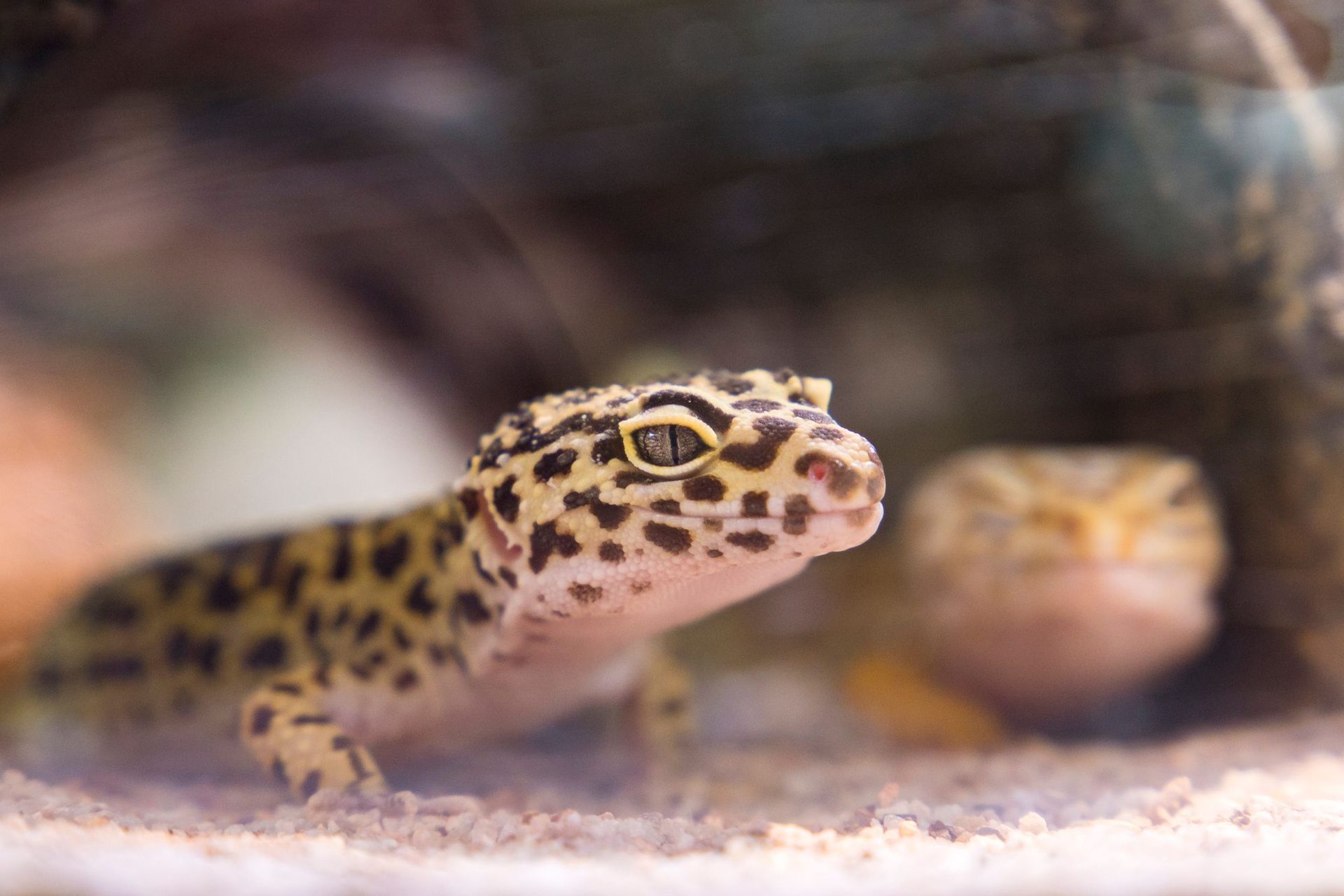
One species. One clear place to start.
The ground-dwelling gecko most new keepers start with. A horizontal enclosure, a warm hide, and a steady feeding routine matter more than decoration.
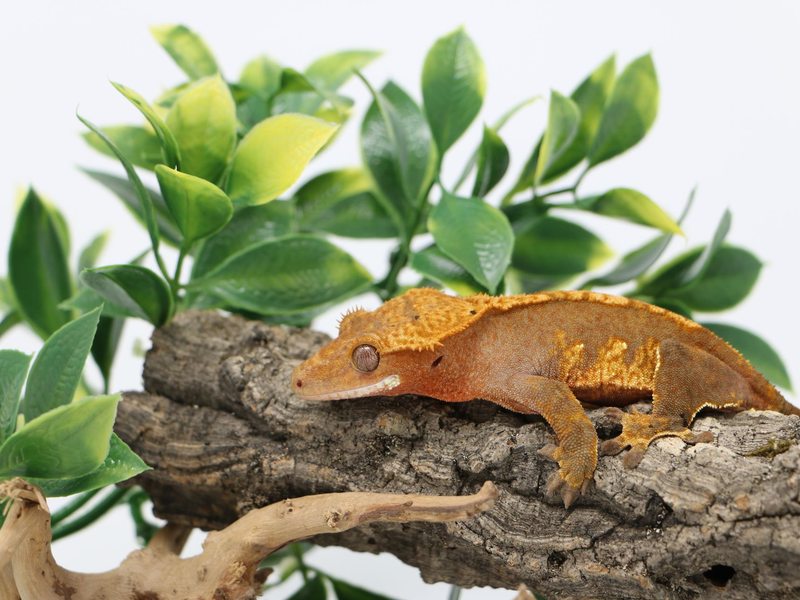
A climbing gecko that lives in a tall enclosure, eats a powdered fruit diet, and usually needs no extra heat at normal room temperatures.
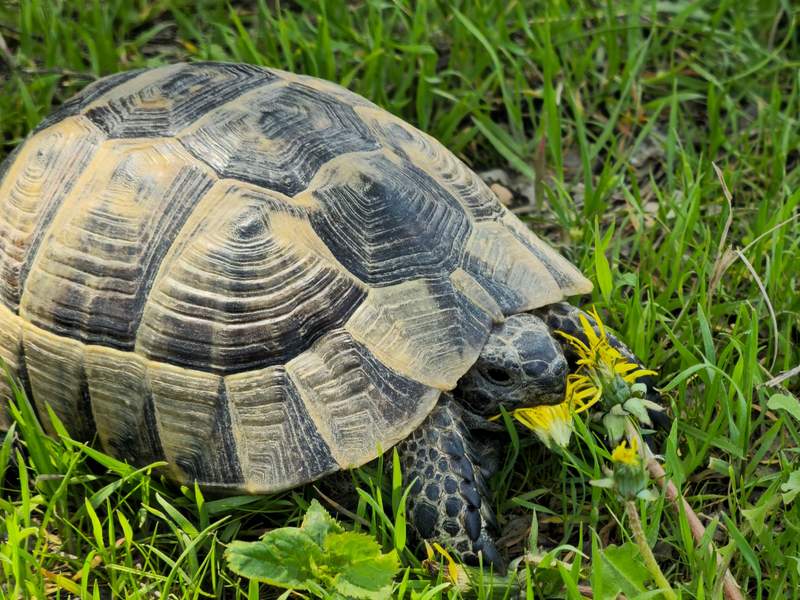
“Tortoise” is not one animal. Start by choosing a species — size, humidity, diet, and hibernation all change with it, and so does the enclosure.
Our approach
Scaled School is a care-decision site for new keepers in the UK and the US. Every guide is built around a parameter table — temperatures, humidity, enclosure size, and feeding — cross-checked across breeder practice, expo and marketplace data, and published veterinary and herpetology literature. Where sources disagree, we show the range.
Care advice contradicts itself because most of it is written without numbers. A leopard gecko guide that says “a 20-gallon tank” and another that says “40 gallons” can both be quoted from somewhere — the difference is whether the number is a bare minimum or a current recommendation, and for which age of animal. Our parameter tables keep that distinction visible, with the range and the source behind it, so a decision can be checked instead of guessed.
Use the tables before buying anything. If a product cannot meet the temperature, humidity, or size range your species needs, it does not belong on the list, whatever it costs.
Swipe or scroll across the table to compare values. Use the full source notes with each range.
| Parameter | Leopard gecko | Crested gecko | Tortoise |
|---|---|---|---|
| Temperature | Hot spot 88–94°F (31–34°C); cool end 70–77°F (21–25°C) | Day 72–80°F (22–27°C); night 65–72°F (18–22°C) | Use the species-specific basking and ambient ranges in the tortoise parameter table. |
| Humidity | 30–40% | 50–70%, falling between mistings | 30–40% to 70–80%, by species |
| Minimum enclosure (adult) | 20-gallon long, 40-gallon recommended | Vertical 18×18×24 in, 18×18×36 in recommended | Species-specific housing ranges and pending-review notes |
| Feeding | Insects; juveniles daily, adults every 2–3 days | Powdered diet every other day; insects once or twice a week | Mostly high-fibre plants; red-footed tortoises are omnivorous |
| Lifespan in captivity | 15–20 years | 15–20 years | 30–50 years to 70+ years, by species |
Ranges are taken from the parameter library used across this site. Full tables, with sources, are on each species’ parameter page.
Leopard gecko parameters · Crested gecko parameters · Tortoise parameters by species
Scaled School began on reptile expo floors and in breeder communities, running into the same problem everywhere: care advice that contradicts itself. The site is the reference its editors could not find — numbers first, future gear guides based on the animal’s needs rather than marketing, and guides reviewed on a rolling basis and dated at every revision.
Read the full About page, including what this site is and is not, and how it is funded.